Prejudice means something the other side has actually lost through the delay: evidence that has degraded, a witness who is unavailable, expenditure incurred in reliance, or an opportunity that has closed. It does not mean the inconvenience of a matter proceeding, or the loss of a windfall that a missed deadline would have produced. Separating the two is what decides most contested applications.
Filings disappear through rejections nobody noticed, misclassification, docketing errors and system faults. Proving that one was made depends on records captured at the time: the submission confirmation, the recorded timestamp, the payment record, the docket entry and any error messages. Checking the record shortly after filing is what turns this from an evidential problem into an administrative one.
Proof of service is built at the moment of service and consulted long afterwards. The elements are a contemporaneous record of what was sent, to whom, when, by what method and by whom, supported by receipts, delivery confirmations and a formal certificate where the rules require one. Reconstructed evidence is markedly weaker and frequently decisive against the party relying on it.
A deadline provision can be reduced to four questions: what starts it, how long it runs, how the days are counted and what follows from missing it. Reading a rule with those four questions in mind takes a few minutes, produces a date that can be checked by somebody else, and catches the assumptions that would otherwise be carried in from another forum.
Where a document was properly dispatched, most systems presume receipt on a defined day, and displacing that presumption requires more than a denial. What works is evidence about the recipient's systems, contemporaneous records showing the document was never logged, an account of what was received instead, and prompt action once the matter came to light.
A recipient who declines to take a document is generally treated as having been served, provided the server identified them and brought the document to them. Refusal also produces a contemporaneous record describing exactly what happened, which is unhelpful later, and it removes any argument that the recipient did not know a matter existed.
Reopening asks the body that decided a matter to consider it again because something went wrong in the process: a party was never notified, evidence was unavailable through no fault of theirs, or circumstances have materially changed. It is distinct from an appeal, it frequently runs on a period measured from knowledge, and it is sometimes available where an appeal is not.
Where a period has not yet expired, an extension is generally available on a showing of good cause: an acceptable reason, a realistic proposed date and an absence of prejudice to the other side. Once the period has passed, the applicant must usually also explain the failure to act in time, which is a materially harder exercise. Asking early is therefore worth considerably more than asking well.
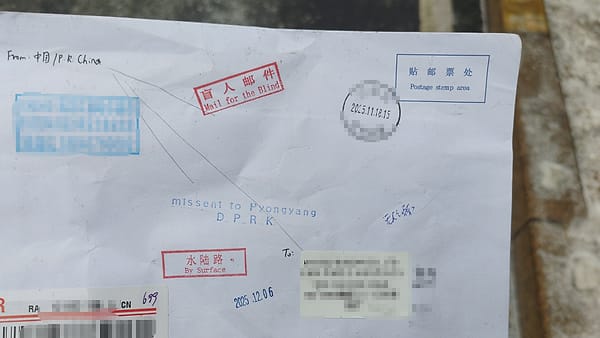
Returned mail proves that delivery did not occur and indicates why, and the reason is the useful part. Unknown at the address, refused, unclaimed, vacant and insufficient address each point at different conclusions about whether the record is stale, whether the recipient is avoiding contact, and what the sender should do next.
An application made after expiry usually requires the applicant to show that the failure was excusable, that they acted promptly on discovering it, and that the other side is not materially prejudiced. Some deadlines admit no relief at all, so the first question is whether an application is available before it is drafted.
Service by email or through a filing portal is permitted widely, usually subject to consent or to a nominated address, and it takes effect at a moment the rules define rather than when the message is read. The recurring problems are consent that was never given, an address that was never nominated, and a timestamp recorded in a time zone nobody checked.
Service by mail is permitted for many documents and excluded for some, and where it is permitted the rules usually specify the class of postage, the address that may be used, and the record that must be kept. Getting the method right is only part of it, because posting also changes when service is treated as effected and therefore when the recipient's time begins.