Returned Mail, and What It Proves
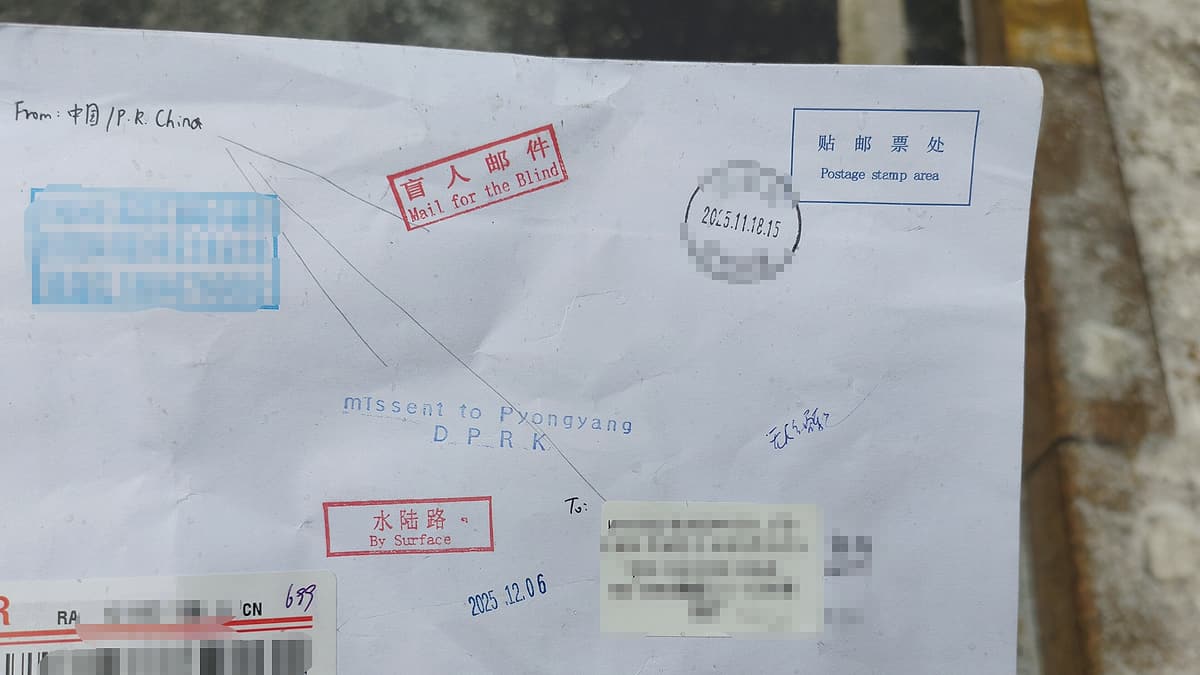
An envelope returned with a printed reason on it is one of the few pieces of genuinely independent evidence in the whole of service, and almost nobody reads the endorsement carefully enough to work out what it is actually telling them.
The rule in short
Returned mail proves that delivery did not occur and indicates why, and the reason is the useful part. Unknown at the address, refused, unclaimed, vacant and insufficient address each point at different conclusions about whether the record is stale, whether the recipient is avoiding contact, and what the sender should do next.
Mail that comes back is the postal system reporting on what happened, in a standardized vocabulary, at no cost. It is worth reading properly rather than filing.
What the endorsements mean
Attempted, not known. Nobody of that name is associated with the address, which points strongly at a record that is wrong rather than merely stale.
Vacant. The premises are unoccupied, which tells the sender the address is no longer usable and that a search is needed rather than another attempt.
Moved, left no address. The recipient was there and has gone without leaving a redirection, which is common and usually indicates a genuine relocation.
Unclaimed. Delivery was attempted, notice was left and nobody collected the item, which is consistent with both absence and deliberate avoidance.
Refused. Somebody at the address declined the item, which usually means the recipient is present and is aware that something is being sent.
Insufficient address. The address as written cannot be delivered to, frequently because a unit or floor number was omitted rather than because the recipient has gone.
Forward order expired. A redirection existed and has ended, which is a strong indication that the record was updated somewhere and not with this sender.
No such number. The street address itself does not exist as written, which points at a transcription error at the sender's end.
What each suggests about the next step
Not known and no such number. Verify the address against a primary source, because the likeliest explanation is an error rather than a move, per an address on file that is wrong.
Vacant and moved. A search is needed, and continuing to send to the same address achieves nothing except a further return.
Unclaimed. Consider a method that does not require collection, and consider whether the pattern indicates avoidance.
Refused. The recipient is present, which supports personal service or an application for an alternative method.
Insufficient address. Complete the address rather than abandoning it, since the recipient is probably exactly where the record says.
Forward order expired. The recipient updated something somewhere, and inquiries directed at other record holders may locate them quickly.
Any return at all. Stop assuming the address works, because the assumption is what converts one problem into a sequence of them.
Record the endorsement. In the file, with the date, because it is evidence of what was known and when, per proving that notice was given.
| Endorsement | Likely meaning | Next step |
|---|---|---|
| Not known | Record is wrong | Verify the address |
| Vacant or moved | Recipient has gone | Search |
| Unclaimed | Absent or avoiding | Change method |
| Refused | Present and aware | Personal service |
| Insufficient address | Detail missing | Complete and resend |
What a return does to service
It does not always undo it. Where a rule deems service on posting to the last known address, a return may not change the position for that document at all.
It changes what happens next. Continuing to serve at an address after items have come back is very hard to justify to anybody afterwards.
It creates knowledge. The sender now knows something is wrong, and everything they do subsequently is assessed against that knowledge.
It supports the recipient's case. A recipient arguing non-receipt is greatly assisted by an item that came back, per rebutting the presumption of receipt.
It may trigger an obligation. Some regimes require a sender who learns of non-delivery to take further steps before relying on the service.
It affects later applications. An application to set aside a decision is much stronger where the file contains returned items nobody acted on.
It matters for enforcement. Steps taken on the strength of service that visibly failed are vulnerable long after they were taken.
It is dated. The date of return establishes when the sender's knowledge began, which is frequently the decisive fact.
Every returned item carries a printed reason, and the reason distinguishes a transcription error from a relocation from an evasion. Treating all returns as the same event discards the only useful information the envelope contains.
Handling returned items properly
Do not open them. An unopened returned item with an intact endorsement is better evidence than one that has been opened and refiled.
Photograph or scan immediately. Endorsements smudge, envelopes tear, and the printed reason is the part that matters.
Record the date received back. Which establishes when the sender knew, and is frequently more important than the date of posting.
File it with the service record. The dispatch record and the return belong together, since neither means much without the other.
Act rather than file. The commonest failure is treating a return as administrative rather than as information requiring a decision.
Tell whoever needs to know. The person managing the matter, not just the person who opened the post that morning.
Reassess the address. Every return is a reason to check the record against a primary source before anything further is sent.
Keep them for the duration. Returned items are small, and they answer questions asked years later about what was known.
Common mistakes
Reposting to the same address. Which produces another return, another dated record of knowledge, and no progress at all.
Ignoring the endorsement. Treating all returns as equivalent loses the information that distinguishes an error from a relocation.
Discarding the envelope. The evidence is the envelope, and a note saying an item came back is a much weaker substitute.
Assuming the recipient is evading. Most returns indicate a stale record rather than avoidance, and the responses differ entirely.
Assuming the recipient has moved. An insufficient address usually means the record is incomplete rather than wrong, and the person is where they always were.
Delaying the response. Where a service period is running, the time consumed by a failed attempt is not recoverable.
Not telling the other side. Where a return is relevant to a step being taken, concealing it creates a worse problem later.
Relying on the deemed date anyway. Technically available in some situations and, once a return is on the file, unattractive in most of them.
Returned mail is independent evidence about what happened, and the printed endorsement is the part that carries the information.
Not known and no such number usually indicate an error in the record; vacant and moved indicate a relocation; unclaimed and refused indicate somebody who may well be present.
A return does not necessarily undo service of the document already sent, but it changes everything that follows, because the sender now knows the address is not working.
Returned items should be kept unopened, scanned immediately, dated, filed with the service record and acted on rather than treated as routine post.
The recurring mistakes are reposting to the same address, discarding the envelope, ignoring the distinction between endorsements, and relying on a deemed date after an item has visibly come back.
Points to carry away
- The endorsement is the informative part.
- Unclaimed and refused are not the same as unknown.
- Continuing to serve after a return is difficult to defend.
- Returned items are evidence and should be preserved unopened.
- The right response differs by reason.
Questions readers ask
Does returned mail mean service was invalid?
Not necessarily. Where a rule deems service effective on posting to the last known address, an item coming back may not affect the validity of that particular service at all. What it does change is everything afterwards: the sender now knows the address is not working, and continuing to use it, or relying on the deemed date without doing anything else, becomes very difficult to defend if the recipient later applies to set aside what followed.
Why does the endorsement matter so much?
Because it distinguishes situations that require completely different responses. An item returned as insufficient address usually means the recipient is exactly where the record says and a detail was omitted. One returned as vacant means they have gone and a search is needed. One returned as refused means somebody is there and aware. Treating all three as a single event called non-delivery discards the only independent information available about what actually happened.
What should be done with returned envelopes?
Keep them unopened, scan or photograph them immediately while the endorsement is legible, record the date they came back, and file them with the dispatch record for the same item. The date of return is frequently more important than the date of posting, because it establishes when the sender's knowledge of the problem began. Above all, act on the return rather than filing it, since the failure to respond is what causes the later difficulty.
Sources
- United States Postal Service — Undeliverable-as-Addressed Mailpe.usps.com
- Federal Rules of Civil Procedure — Rule 5(b)(2)(C), Mailinglaw.cornell.edu
- Federal Rules of Civil Procedure — Rule 4(e), Serving an Individuallaw.cornell.edu
- Legal Information Institute — Last Known Addresslaw.cornell.edu
- Federal Rules of Civil Procedure — Rule 60(b)(4), Void Judgmentlaw.cornell.edu
- Legal Information Institute — Mailbox Rulelaw.cornell.edu
Urban Justice Docket is a publication, not a law firm. This article states general rules and cites its sources; it is not advice about any particular case, and the law differs by state and changes over time.
More in Receiving Notice

Refusing to Accept a Document
A recipient who declines to take a document is generally treated as having been served, provided the server identified them and brought the document to them. Refusal also produces a contemporaneous record describing exactly what happened, which is unhelpful later, and it removes any argument that the recipient did not know a matter existed.
Notice to a Representative Rather Than a Party
Where a representative is on record, service on them is generally service on the party, and the party is bound by it. That arrangement works well until it breaks: a withdrawal never filed, a handover between advisers, a firm that closed, or a representative who never passed the document on. The record is what governs, and keeping it accurate is the whole of the protection.

Notice Received by Somebody Else
Service on a person other than the named recipient can be effective where that person is of suitable age and discretion at the address, or is authorized to accept documents. It is ineffective where they have neither status. The practical risk sits between those categories, in the receptionists, relatives and neighbors who take documents helpfully and forward them slowly or not at all.