Rebutting the Presumption of Receipt
A recipient who says they never received something is making an assertion about an absence, which is among the hardest things in evidence to establish. What succeeds in the end is never the denial itself but the material surrounding it.
The rule in short
Where a document was properly dispatched, most systems presume receipt on a defined day, and displacing that presumption requires more than a denial. What works is evidence about the recipient's systems, contemporaneous records showing the document was never logged, an account of what was received instead, and prompt action once the matter came to light.
Proving that something did not happen is structurally difficult, and denials of receipt are treated with corresponding caution. The evidence that works is about process rather than about memory.
Why a denial is not enough
It is unverifiable. An assertion about not having seen something cannot be tested directly by anybody.
It is always available. If denials were sufficient, every deadline could be avoided by making one.
Memory is unreliable about absences. People remember events, not the non-occurrence of routine ones.
The sender complied. Where dispatch was proper, the system's default is that the process worked.
Delivery systems mostly work. The presumption reflects ordinary experience rather than an arbitrary preference.
The recipient controls the evidence. Records about what arrived sit with the person denying receipt, which shapes what is expected of them.
Timing is suspicious by nature. Denials surface when a consequence appears, which invites scrutiny.
It leaves the alternative unexplained. A denial with no account of what happened instead answers only half of the question.
The burden generally sits with the recipient. Once proper dispatch is shown, the party asserting non-receipt is the one who has to displace the presumption rather than the sender having to prove arrival.
What actually works
Evidence about the handling system. How mail or messages are received, logged and distributed, described by somebody who operates it.
A contemporaneous log showing nothing. A record of everything received on the relevant days, with the document absent, is the strongest single item.
Evidence of a systemic failure. A known outage, a filtering rule, a redirection gap or a period of disruption.
Evidence about the address or account. That it was not in use, was misconfigured, or belonged to somebody else.
An account of what was received instead. Where other items from the same sender arrived and one did not, that pattern is informative.
Prompt action after discovery. Somebody who moved immediately on learning of the document is far more credible.
Third-party evidence. Postal records, carrier data, delivery scans or messages from other people about the same period.
Consistency across the account. Every element pointing in the same direction, with no detail that contradicts the rest of it.
A record of what was done on discovery. Contemporaneous notes of the steps taken in the first days after the document surfaced support both the promptness and the good faith of the response.
| Evidence | Weight | Why |
|---|---|---|
| Bare denial | Low | Unverifiable |
| Handling process described | Moderate | Makes absence meaningful |
| Contemporaneous log | High | Independent record |
| Carrier or server data | High | Third-party source |
| Prompt action | High | Supports credibility |
What undermines the argument
Delay after discovery. Weeks between learning of the matter and acting suggests the denial is a position rather than a fact.
Contradictory correspondence. Any message referring to the document, however obliquely, ends the argument.
A stale address. Where the recipient never updated their record, non-receipt is their own doing, per keeping an address current.
No system to describe. A recipient with no mail handling process cannot show that the process would have caught it.
Selective non-receipt. Claiming that only the inconvenient documents went missing invites obvious skepticism.
An unmonitored channel. Failing to check a nominated portal or account is not the same as not receiving something.
Shifting explanations. An account that changes between letters loses whatever credibility it started with.
Overstatement. Asserting complete ignorance of a matter that the file shows was known damages everything else.
Nobody can remember not receiving a letter. What can be shown is that every item received on those days was logged, that the log exists, and that this document is not in it.
Assembling the evidence
Move immediately. The material degrades quickly, and logs, filters and delivery records are frequently short-lived.
Preserve the systems. Mail server records, filter rules and quarantine folders should be secured before anything overwrites them.
Get a statement from whoever handles receipt. The person who opens post or monitors an account, not the party themselves.
Obtain carrier records. Delivery scans and tracking histories are independent and carry weight accordingly.
Describe the process, not the conclusion. How documents are handled, so that the absence of a record means something.
Explain the discovery. How and when the matter came to light, in a way that supports the promptness of the response.
Address the sender's evidence. The dispatch record exists and has to be engaged with rather than ignored, per proving that notice was given.
Keep it proportionate. An enormous evidential exercise on a minor point invites the obvious question of why.
Put it in a witness statement. The material has to be presented as evidence by somebody who can speak to it, rather than asserted in correspondence or in submissions by a representative.
What follows if it succeeds
The period may not have started. Which is usually the point of the exercise, and it reopens whatever was missed.
Or it may start from knowledge. Some systems substitute the date of actual awareness rather than treating the period as never running.
Relief still has to be sought. Displacing the presumption is a step toward an application rather than a remedy in itself.
Decisions may be set aside. Where something was decided in absence, per a decision made without proper notice.
The other side may re-serve. Which resolves the position going forward and produces a fresh period.
Costs may follow either way. A successful argument does not always carry costs, particularly where the recipient contributed to the problem.
The record should be fixed. Whatever caused the failure needs correcting before the next document.
Some presumptions hold regardless. A few regimes make deemed receipt conclusive, so that no quantity of evidence displaces it.
The underlying deadline may still be gone. Displacing a presumption about one document does not revive a separate statutory period that expired for reasons having nothing to do with receipt.
A denial of receipt asserts an absence, which is structurally hard to prove and always available to anybody facing a consequence, so systems treat it with caution.
What displaces a presumption is evidence about process: how documents are received and logged, a contemporaneous record showing this one was not, and independent data from a carrier or a mail system.
The argument is undermined by delay after discovery, by any correspondence referring to the document, by a stale address the recipient never updated, and by explanations that shift.
Assembling the material requires moving immediately, because filter rules, quarantine folders, server logs and delivery records are frequently short-lived.
Success is a step rather than a remedy: it usually supports an application for relief or to set something aside, and a few regimes make deemed receipt conclusive so that no evidence displaces it at all.
Points to carry away
- A bare denial rarely displaces the presumption.
- Evidence about handling systems carries the weight.
- Contemporaneous records showing nothing was logged help most.
- Promptness after discovery is heavily weighed.
- Some presumptions cannot be displaced at all.
Questions readers ask
Is it enough to say a document was never received?
Rarely. A bare denial is unverifiable, is available to anybody facing an unwelcome consequence, and leaves unexplained what happened instead. Systems therefore expect something more: an account of how documents are normally received and logged, a contemporaneous record showing this one was not, evidence of a specific failure such as a filter rule or a redirection gap, and prompt action once the matter came to light.
What is the single most useful piece of evidence?
A contemporaneous log that records everything received during the relevant period and does not include the document in question. Its value comes from having been created before anybody knew there would be an argument, and from being independent of memory. Its usefulness depends on somebody being able to describe the system that produced it, because a log means nothing unless it is shown to capture what it claims to capture.
How quickly does the evidence need to be gathered?
Immediately. Mail server logs, spam quarantine folders, filter configurations and carrier delivery data are frequently retained for short periods and overwritten automatically. A recipient who spends three weeks deciding whether to take the point often finds that the material which would have proved it has gone. Preserving the systems is the first step, before any argument is formulated and before anybody writes to the other side.
Sources
- Federal Rules of Evidence — Rule 301, Presumptions in Civil Caseslaw.cornell.edu
- Federal Rules of Evidence — Rule 803(6), Records of a Regularly Conducted Activitylaw.cornell.edu
- Federal Rules of Evidence — Rule 406, Habit; Routine Practicelaw.cornell.edu
- Legal Information Institute — Mailbox Rulelaw.cornell.edu
- Federal Rules of Civil Procedure — Rule 60(b), Relief from a Judgment or Orderlaw.cornell.edu
- Legal Information Institute — Rebuttable Presumptionlaw.cornell.edu
Urban Justice Docket is a publication, not a law firm. This article states general rules and cites its sources; it is not advice about any particular case, and the law differs by state and changes over time.
More in Receiving Notice

Refusing to Accept a Document
A recipient who declines to take a document is generally treated as having been served, provided the server identified them and brought the document to them. Refusal also produces a contemporaneous record describing exactly what happened, which is unhelpful later, and it removes any argument that the recipient did not know a matter existed.
Returned Mail, and What It Proves
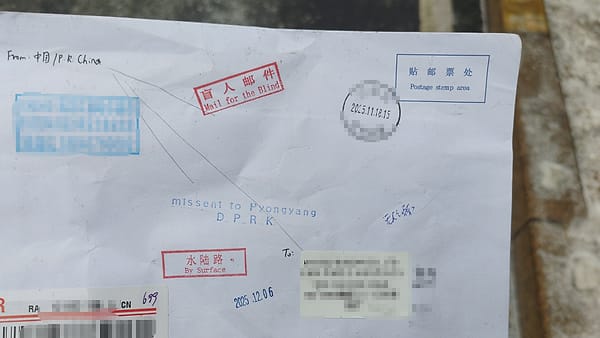
Returned mail proves that delivery did not occur and indicates why, and the reason is the useful part. Unknown at the address, refused, unclaimed, vacant and insufficient address each point at different conclusions about whether the record is stale, whether the recipient is avoiding contact, and what the sender should do next.

Notice to a Representative Rather Than a Party
Where a representative is on record, service on them is generally service on the party, and the party is bound by it. That arrangement works well until it breaks: a withdrawal never filed, a handover between advisers, a firm that closed, or a representative who never passed the document on. The record is what governs, and keeping it accurate is the whole of the protection.